

Life & Love
I am a trained professional that will elevate your relationships and enrich your life. Embrace the path to happiness and fulfillment with valuable insights and practical tips.
You deserve to live your best life.
Use the search bar below to see blog posts below for specific topics:

The Pursuer-Distancer Cycle: Why One of You Chases and One Pulls Away
One of you reaches. The other pulls back. The more one pursues, the more the other retreats — and the cycle slowly erodes the very connection you are both fighting for. A research-grounded guide to the most common and most painful dynamic in marriage, written directly to both of you.

The Truth About Long-Distance Relationships Nobody Wants to Say Out Loud
Millions of people are in long-distance relationships right now — and most of them are asking the same questions. Life coach and love life strategist Michelle Shahbazyan cuts through the romance and delivers the honest truth about what the research actually says, what happens when couples finally close the gap, and the one question that will tell you whether your relationship has a real future.

Is It a Red Flag — Or Is It You? Understanding Relationship Anxiety and Relationship OCD
Are you constantly overanalyzing your relationship, spiraling over whether your feelings are real, or unsure if your partner is actually the problem — or if you are? Life coach and love life strategist Michelle Shahbazyan breaks down relationship anxiety, relationship OCD, and the critical difference between a red flag and a trigger from your own past.

Good Enough Is More Than Enough — What Your Child Actually Needs From You
In a world of perfect parenting pressure, life coach and love life strategist Michelle Shahbazyan offers a grounded, compassionate guide to what your child actually needs from you — presence, calm, and love — and how to give it even on the hardest days.

Ghostlighting: The Dating Trend Worse Than Ghosting You Need to Know About
Ghostlighting is the toxic combination of ghosting and gaslighting — and it's making people question their own reality. Love Life Strategist Michelle Shahbazyan breaks down what it is, why it works, and exactly how to protect yourself.
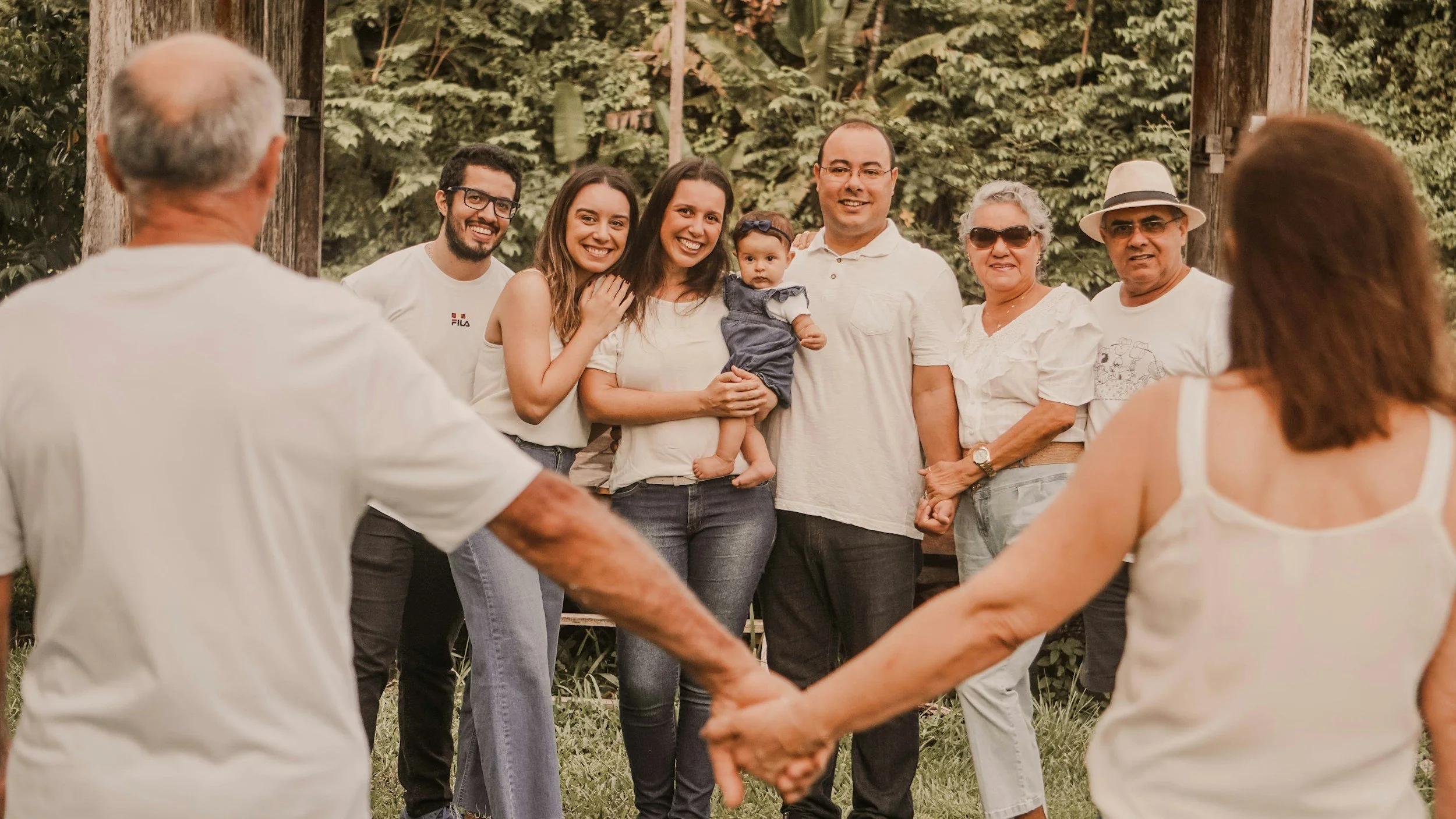
Doing It Differently With No One to Show You How
Millennial and Gen Z parents are breaking generational trauma cycles, healing childhood wounds, surviving record financial pressure, and raising emotionally healthy kids — all at the same time. You are not failing. You are the turning point.

Why You Feel Stuck — And Exactly What to Do About It
You know what you should be doing. You're just not doing it. If you've been saying "I'll start soon" for longer than you'd like to admit — this one's for you. Michelle breaks down the 5 real reasons people get stuck and gives you a clear, actionable strategy to finally move forward.

I Love You But I'm Not In Love With You — What It Means and What to Do
"I love you but I'm not in love with you" might be the most confusing sentence in relationships. This post breaks down what it actually means, what causes it, whether it can be reversed, and how to make the most honest decision of your life.

Feeling Stuck: Why It Happens and What to Actually Do About It
Feeling stuck isn't laziness, weakness, or lack of motivation — it's a specific psychological and neurological state with real causes. This post explains what's actually happening and gives you the honest framework for getting out.

They Were Your Drug: Why You Stay Addicted to Toxic People
Leaving a toxic person isn't a matter of willpower — it's a matter of brain chemistry. This post breaks down the neuroscience of why toxic relationships are so addictive, and what it actually takes to get free.

Breaking Generational Trauma: How to End the Cycle for Good
Generational trauma is not just a concept — it is a pattern living inside your body, your relationships, and your responses to the world. This post breaks down what it actually is, what the science says, and exactly how to stop passing it down.

The Sex Recession: Why Couples Stop Having Sex and How to Fix It
The data is in and it's striking. Americans are having less sex than at any point in recorded history — and it's happening inside committed relationships too. Here's what's actually behind it, and what to do about it.

Done Being Tired: How to Combat Fatigue and Beat It for Good
Tired of being tired? Chronic fatigue has deeper roots than most people realize — and coffee is not the answer. A science-backed guide to what is actually draining you and how to rebuild real, lasting energy from the inside out.

Long Marriage, Lost Connection — What Now?
You already know something needs to change — in your relationship, your life, or both. The answers you have been looking for are not found in generic advice or empty reassurance. They are found in honest, clear, experience-backed insight from someone who has worked with thousands of people in exactly your situation. Start reading and start shifting.

When Going No Contact Is the Only Answer: Surviving a Narcissistic or Sociopathic Mother
Here I will explore what it means to go no contact with a narcissistic or sociopathic mother, the impact on siblings, generational mental health patterns, and why doing your own work is the most powerful gift you can give yourself — and your future.

Love is Blind: An Ohio Experiment Through a Couples Counselor's Eyes (Episodes 1-6)
As a couples counselor, I've seen it all – the beautiful beginnings, the challenging middles, and sometimes, the heartbreaking ends of relationships. When Netflix’s Love is Blind landed in my own backyard with the Ohio season, I couldn't resist putting on my professional hat to dissect what really happened in those pods and beyond. Join me as I break down the science of attraction, the crucial conversations often missed.